
Introduction
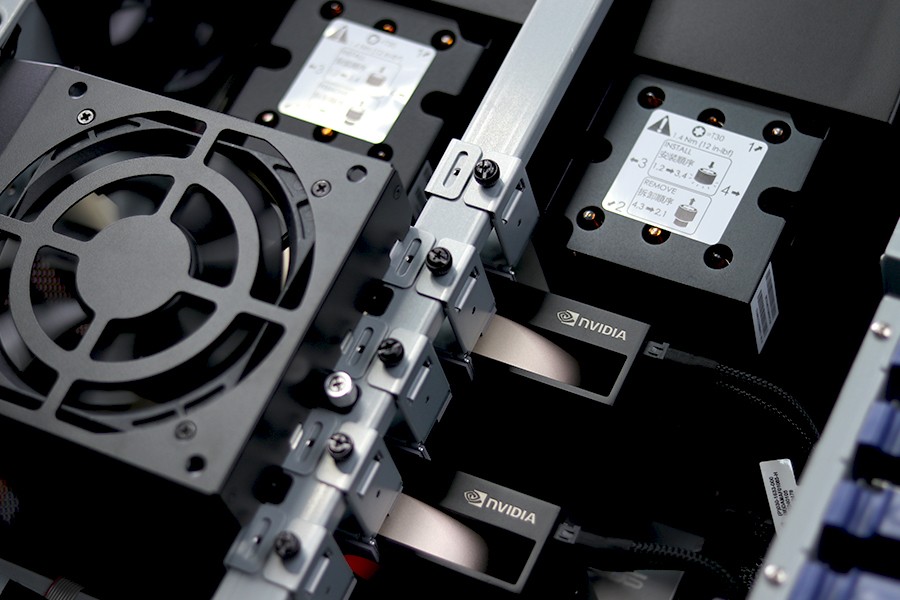
Behind every digital breakthrough lies a carefully engineered system of hardware components. While software drives functionality, hardware provides the physical structure that makes innovation possible.
Evolution of Hardware Components
Hardware has evolved rapidly.
From Mechanical to Micro-Engineered
Early systems relied on bulky parts; modern components are compact and powerful.
Performance Scaling
Hardware innovation enables faster processing and greater efficiency.
Hardware Across Industries
Components power diverse sectors.
Enterprise and Data Centers
High-performance hardware supports large-scale computing and analytics.
Consumer Technology
Personal devices rely on efficient hardware for mobility and performance.
Design Trends in Modern Hardware
Engineering meets aesthetics.
Compact and Modular Designs
Smaller components deliver greater power.
Energy-Efficient Architecture
Lower energy consumption reduces environmental impact.
Reliability and Longevity
Durability is critical.
Thermal Management
Effective cooling extends component lifespan.
Quality Standards
Rigorous testing ensures reliability.
The Future of Hardware Components
Hardware continues to evolve.
Intelligent Hardware
Self-monitoring components improve efficiency.
Sustainable Innovation
Eco-friendly materials shape future designs.
Conclusion
Hardware components remain the backbone of digital progress, enabling innovation across every industry and application.
